

Registering a car in California is a vital process that ensures vehicle ownership rights, facilitates lawful operation on public roads, and plays a crucial role in maintaining accurate transportation records. However, navigating the complexities of this procedure can be daunting for many new owners. This comprehensive guide aims to demystify the process, offering step-by-step instructions tailored to California’s unique requirements. From gathering essential documents to ensuring proper VIN verification, we’ll equip you with the knowledge needed to register your vehicle smoothly and confidently.
- Prepare Necessary Documents for Car Registration
- Understand California's Vehicle Identification Number (VIN) Verification Process
- Visit a California Department of Motor Vehicles (DMV) Office
- Complete the Registration Application and Provide Required Fees
- Inspect and Verify Your Vehicle's Documentation with VIN Check
Prepare Necessary Documents for Car Registration

Before you begin the registration process for your new or used car in California, ensuring you have all the necessary documents ready is crucial. This step often gets overlooked, but proper preparation can save time and potential headaches later. Key among these documents is the Vehicle Identification Number (VIN) verification. This unique 17-character code acts as a fingerprint for your vehicle, providing detailed information about its make, model, year, and history.
Obtaining a reliable VIN inspection is essential, and modern technology makes this process accessible and convenient. Consider utilizing a mobile VIN verifier, an application that allows you to perform a quick and accurate check of the VIN from the comfort of your home or even while you’re at the dealership. This digital solution streamlines the verification process, ensuring accuracy within seconds. For instance, many car registration services now offer this mobile VIN inspection as part of their initial screening, providing peace of mind before committing to a transaction.
Another benefit of early VIN verification is it helps establish ownership and provides proof of authenticity. It’s recommended to conduct this check at least once, ideally 1-2 times, before finalizing the purchase, especially for online or private sales. This proactive approach reduces the risk of fraud, stolen vehicles, or buying a car with an altered history. Furthermore, having these documents in order will ensure a smoother registration process when you visit the California Department of Motor Vehicles (DMV) office or complete the procedure online.
Understand California's Vehicle Identification Number (VIN) Verification Process

California’s Vehicle Identification Number (VIN) verification process is a crucial step in registering your car, ensuring both vehicle authenticity and compliance with state laws. VIN inspection plays a vital role in preventing fraud and facilitating accurate record-keeping for authorities. During this process, each vehicle’s unique 17-character VIN code is cross-referenced against extensive databases to verify its history and ensure it hasn’t been reported stolen or had fraudulent mileage adjustments.
For instance, California’s Department of Motor Vehicles (DMV) utilizes sophisticated technology and partnerships with national data providers to conduct thorough VIN verifications. This includes checking against national and local records, vehicle history reports, and even international databases for vehicles that have crossed borders. A mobile VIN inspection or verification service can also be employed, allowing individuals to get real-time results from anywhere using their smartphones. These services work by entering the VIN into a specialized app, which then communicates with various data sources to provide an immediate report on the vehicle’s history and current status.
Practical insights suggest that thoroughness during this phase significantly reduces future complications. Always ensure your VIN is clearly legible and accurately documented, as misreads or incorrect entries can lead to delays or issues down the line. Additionally, be prepared to present any relevant documentation related to ownership history, maintenance records, and previous inspections, as these may be required for verification. By understanding and adhering to California’s VIN verification process, you streamline your car registration experience and ensure your vehicle’s integrity remains intact.
Visit a California Department of Motor Vehicles (DMV) Office

Registering a car in California involves several crucial steps, one of which is visiting a local California Department of Motor Vehicles (DMV) office. This face-to-face interaction ensures that all necessary documents are in order and facilitates a thorough verification process, including a Vehicle Identification Number (VIN) inspection. The DMV’s role in this procedure is vital; they act as the primary authority for vehicle registration, titling, and licensing within the state, ensuring compliance with California’s specific regulations.
Upon arrival at a DMV office, individuals will need to gather essential documents, such as proof of ownership, identification, and any required fees. The process begins by completing necessary forms, providing personal information, and verifying the vehicle’s details, including its VIN. Here, a mobile VIN inspection or verifier can be particularly useful; these tools enable on-site scanning of the VIN, ensuring accuracy and peace of mind. This step is critical as the VIN serves as a unique identifier, crucial for record-keeping and tracking vehicle history.
For those unfamiliar with the process, seeking assistance from DMV staff is advisable. They can guide through any complexities, ensure all requirements are met, and offer advice tailored to individual circumstances. Whether you’re registering a new or used car, this in-person interaction guarantees that your vehicle’s registration aligns with California’s standards, promoting road safety and legal compliance. Efficient VIN verification during this visit is key to a seamless registration experience.
Complete the Registration Application and Provide Required Fees
To complete the registration process for your vehicle in California, you’ll need to fill out a Registration Application (Form DV304) and submit it along with the necessary fees. This step is crucial, as it officially registers your car with the state and ensures compliance with local regulations. The application requires detailed information about your vehicle, including its make, model, year, and unique Vehicle Identification Number (VIN). Accurate VIN verification is essential for ensuring that your car meets all safety and environmental standards, a process that can be efficiently facilitated by using a mobile VIN verifier or conducting a mobile VIN inspection.
Many Californians opt to use online services or visit the California Department of Motor Vehicles (DMV) to complete this task. You’ll need to include proof of insurance, vehicle ownership, and identity when submitting your application. The DMV offers various methods for fee payment, including cash, credit card, or check. Once your registration is approved, you’ll receive a registration certificate and license plate stickers, which must be displayed on your vehicle at all times. It’s advisable to keep accurate records of your registration details and fees paid to streamline future renewals, which are typically due annually.
For instance, according to the DMV’s data, approximately 40% of registration applications in California are now submitted online, reflecting a growing trend toward digital convenience. Utilizing mobile VIN verification tools can enhance this process by providing immediate access to vehicle history reports and ensuring that your car meets all legal requirements before registration. This not only saves time but also promotes peace of mind for both new and experienced vehicle owners alike.
Inspect and Verify Your Vehicle's Documentation with VIN Check
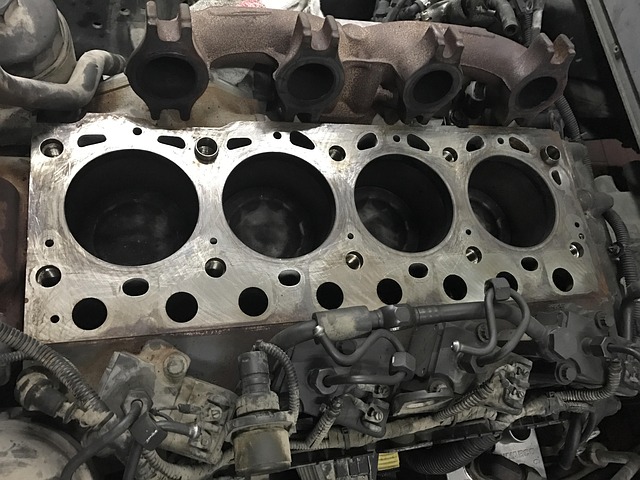
Before registering your car in California, it’s crucial to ensure that all documentation is accurate and valid, starting with a thorough inspection of your vehicle’s identification number (VIN). The VIN is a unique code that identifies your car, and proper verification through mobile VIN verification or a traditional VIN inspection is an essential step in the registration process. This process helps prevent fraud and ensures you’re meeting California’s strict requirements.
For instance, California requires a current and accurate VIN for registration, which can be confirmed using official vehicle history reports. A mobile VIN verification service allows you to check your car’s status by providing its VIN to a specialized provider who will cross-reference it against databases to ensure there are no discrepancies or signs of tampering. Alternatively, a traditional VIN inspection at a designated facility involves a physical examination of the vehicle to validate its identity and condition.
Data shows that improper VIN documentation is a leading cause of registration denial in California. To avoid this, consider conducting a mobile VIN verification or consulting with an automotive expert to ensure your car’s records are up-to-date. This proactive approach can save you time and potential headaches down the line during the registration process. Always verify that your vehicle’s history aligns with its physical condition for a smooth and successful registration.
Registering a car in California involves several crucial steps, from preparing essential documents to undergoing VIN verification. Key insights include the importance of accurate and complete paperwork, understanding the state’s rigorous VIN check process, and visiting a DMV office for personalized assistance. Completing the registration application and paying the required fees is essential, while ensuring your vehicle’s documentation aligns with its VIN through careful inspection. By diligently navigating these steps, California residents can ensure their car registration is seamless, secure, and compliant with state regulations, providing peace of mind on the road.