

Registering a car in California is a crucial step for any new owner, ensuring legal compliance and ownership rights. However, navigating the process can be daunting, given the complex procedures and requirements involved. This authoritative guide aims to demystify the entire process, from gathering essential documents to completing the DMV VIN verification. We’ll provide step-by-step instructions, highlight common mistakes to avoid, and offer expert insights tailored specifically for California residents. By following these guidelines, you’ll efficiently register your vehicle while ensuring accuracy and minimizing potential delays.
- Gather Required Documents for Car Registration
- Prepare Your Vehicle for DMV Inspection
- Complete the California Car Registration Application
- Submit and Pay for Your Car Registration
- Verify VIN and Ensure Auto Insurance Coverage
Gather Required Documents for Car Registration

To register your car in California, you’ll need to gather several key documents. This process is designed to ensure vehicle safety and identify ownership, with the Department of Motor Vehicles (DMV) conducting a thorough verification, including a DMV VIN verification. Among the essentials are your car’s registration certificate from the previous state, a valid driver’s license, proof of insurance, and a completed California Vehicle Registration Application. The application requires detailed information about your vehicle, such as make, model, year, and color—all crucial for accurate DMV VIN verification.
Additionally, you’ll need a valid title document showing clear ownership rights. If the car is purchased from a dealership or private seller, ensure that all paperwork is in order to avoid any delays. A mobile vin verifier can significantly aid in this process by providing quick, on-site vehicle inspection services. These mobile solutions offer convenience and accuracy, allowing you to address potential issues before heading to the DMV. Examples of such services include apps that use GPS tracking and digital documentation for a streamlined experience.
It’s important to double-check that all documents are up-to-date and accurate. Inaccurate or missing information can delay registration. California’s DMV accepts mobile vin verification services as legitimate forms of vehicle inspection, making it easier than ever to register your car with minimal hassle. Utilize these modern tools to ensure a smooth process and avoid unnecessary trips to the DMV.
Prepare Your Vehicle for DMV Inspection

Before you can register your car in California, ensure it’s prepared for a crucial step in the process: DMV inspection. This involves a thorough check of your vehicle’s condition, including its historical maintenance records and, significantly, a DMV VIN verification. The Vehicle Identification Number (VIN) is unique to each car and plays a pivotal role in identifying its authenticity and history.
For a seamless inspection process, it’s advisable to arrange for a mobile VIN verification service. These services send a specialist to your location to perform the check, saving you time and effort. They utilize advanced technology to cross-reference your vehicle’s VIN with national databases, ensuring accuracy. This step is vital as California’s DMV requires proof of a valid and accurate VIN to prevent fraud.
During the vin inspection, the evaluator will inspect various components, including the engine, transmission, brakes, lights, and safety features. They’ll also check for any outstanding recalls or defects reported by manufacturers. It’s essential to maintain regular maintenance records, as these can streamline the process and demonstrate responsible ownership. For instance, keeping up with oil changes, brake inspections, and other routine services can help avoid potential issues during a DMV inspection.
Remember, a mobile vin verifier is not just a convenience; it’s a necessity for navigating California’s registration requirements effectively. By ensuring your vehicle passes the VIN verification, you’re one step closer to achieving a smooth, lawful registration process.
Complete the California Car Registration Application

Completing the California Car Registration Application is a crucial step in the registration process, ensuring your vehicle meets all legal requirements. This form is where you’ll provide detailed information about your car, including its make, model, year, and unique Vehicle Identification Number (VIN). The California Department of Motor Vehicles (DMV) utilizes the VIN as a primary method for identifying vehicles, making VIN verification essential during registration. It’s worth noting that some regions offer convenient mobile VIN verifier services, allowing you to complete this step remotely.
The application will ask for your personal details, such as name and address, alongside information about the vehicle. You’ll need to accurately list the VIN, which is typically found on the vehicle’s title or registration documents. A recent study revealed that proper VIN inspection can help prevent fraud and ensure the safety of California roads. Some key points to remember: double-check all data, ensure your car’s description matches its actual characteristics, and keep records of any modifications made to the vehicle.
For instance, if you’re importing a classic car, specific procedures and forms may apply. It’s recommended to use official DMV resources or consult with professionals who can guide you through these unique cases. If you encounter any difficulties or have a non-standard vehicle, consider utilizing mobile VIN inspection services for added convenience and peace of mind. These services provide on-demand assistance, ensuring your registration process is seamless and accurate.
Submit and Pay for Your Car Registration
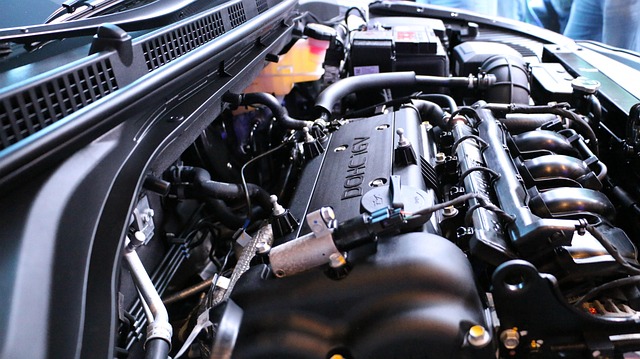
To register your car in California, once you’ve gathered all necessary documents and information, it’s time to submit and pay for your vehicle’s registration. This crucial step involves several procedures that require attention to detail. Begin by completing the Application for Title and Registration (Form DV-140), available at any California Department of Motor Vehicles (DMV) office or online. Fill out the form accurately, providing all required information, including your personal details, vehicle specifications, and previous ownership history.
Once your application is ready, you’ll need to schedule a DMV vin verification appointment. This process can be efficiently managed through the DMV’s online services or by contacting your local field office. During the appointment, you’ll present your completed form, valid identification documents, and proof of insurance. A skilled DMV inspector will conduct a thorough inspection, including a VIN (Vehicle Identification Number) check. This step is vital to ensure the vehicle’s history aligns with the details provided in your application. For added convenience, many DMV locations now offer mobile vin verification options, allowing you or an authorized representative to complete this part of the process from anywhere within California.
After successfully passing the vin inspection and verifying all information, it’s time to pay the registration fee. The cost varies based on vehicle type and model year, with additional fees for late registration or specific vehicle classifications. You can typically pay using a variety of methods, including cash, check, debit/credit cards, or online through the DMV’s secure portal. Upon successful payment, you’ll receive your registered vehicle title and license plates, marking the official completion of the registration process. Always keep these documents secure and up-to-date to avoid future issues with law enforcement or when selling your vehicle.
Verify VIN and Ensure Auto Insurance Coverage

Before registering your car in California, verifying your Vehicle Identification Number (VIN) and ensuring adequate auto insurance coverage are critical steps that demand your full attention. The California Department of Motor Vehicles (DMV) relies on VIN verification as a fundamental part of the registration process, ensuring that every vehicle on California’s roads is legitimate and safely insured. This meticulous process involves checking the VIN against a national database to confirm its authenticity and history.
One of the most efficient methods for this verification is through mobile VIN verification services. These services, including specialized mobile VIN inspectors, allow you to conduct a thorough inspection of your vehicle’s VIN right from the comfort of your home or even while you’re at the DMV. By utilizing technology that reads the VIN off the vehicle’s registration documents or the actual car frame, these mobile verifiers ensure accuracy and save you valuable time. The process is straightforward—enter your VIN into the system, and the service will provide a comprehensive report detailing the vehicle’s history, including any previous owners, maintenance records, and potential issues.
Additionally, having the right auto insurance coverage is paramount. California law mandates minimum liability insurance, but it’s advisable to review your policy to ensure it meets your needs. Factors like your vehicle’s age, value, and intended use should guide your insurance decisions. Remember, adequate coverage protects you financially in the event of an accident, providing peace of mind on California’s bustling highways and byways. Always consult with an insurance professional to ensure you’re getting the best value for your premium.
By diligently gathering all necessary documents, preparing your vehicle for a successful DMV inspection, completing the registration application accurately, submitting with the required fee, and verifying your Vehicle Identification Number (DMV VIN verification), you can ensure a smooth process for registering your car in California. This comprehensive guide arms you with the knowledge to navigate each step confidently, ensuring compliance and peace of mind on the road.