

Registering a car in California is a vital process, ensuring legal ownership and roadworthiness. However, navigating the procedures can be daunting for new vehicle owners. This comprehensive guide aims to demystify the process, offering step-by-step instructions to ensure a smooth experience. We’ll delve into every aspect, from gathering essential documents to the crucial DMV VIN verification, to make sure your car is properly registered and ready to hit the open road legally. By following these expert tips, you’ll be well-equipped to handle this essential task with confidence.
- Prepare Required Documents for Car Registration
- Visit California DMV: Step-by-Step Guide
- Understand Vehicle Identification Number (VIN) Verification
- Pay Registration Fees and Tax Online or In-Person
- Ensure Your Vehicle Meets Safety and Emission Standards
Prepare Required Documents for Car Registration

Before you can register your car in California, you’ll need to gather all the necessary documents for a smooth process. One crucial step is ensuring accurate and up-to-date information, especially when it comes to identifying your vehicle uniquely through its Vehicle Identification Number (VIN). The California Department of Motor Vehicles (DMV) requires VIN verification as part of the registration procedure. This verification can be efficiently handled using a mobile VIN verifier or inspection tool, making the process convenient for both you and the DMV agents.
For instance, many mobile applications now offer this service, allowing drivers to quickly and accurately capture their vehicle’s VIN from the car’s registration documents or the label on the engine. These apps streamline the initial verification step, ensuring that when you visit a California DMV office, your information is ready for cross-referencing with their records. This modern approach reduces waiting times and potential errors, especially in high-traffic areas.
Additionally, it’s essential to have specific documents on hand, including proof of ownership, current vehicle registration (if applicable from another state), insurance documents, and identification cards for all owners. For classic or antique vehicles, you might require additional forms and documentation, so consult the DMV guidelines accordingly. This preparation not only facilitates a faster registration process but also demonstrates your commitment to adhering to California’s specific regulations.
Visit California DMV: Step-by-Step Guide

To register your car in California, the first step is to visit a California DMV (Department of Motor Vehicles) office. This process involves several crucial activities, including vehicle identification number (VIN) verification, which ensures the vehicle’s authenticity and history. Upon arrival at the DMV, locate the dedicated VIN verification counter, where experts are tasked with cross-referencing your car’s VIN with state records. This step is vital to prevent fraud and ensure compliance with California’s strict automotive regulations.
The process begins with providing your documents, such as the title, registration, and proof of insurance. An examiner will then perform a thorough inspection, including a visual check and, in many cases, a mobile VIN inspection or mobile VIN verification. These inspections verify that your vehicle matches the data in the DMV system and helps prevent the registration of stolen vehicles or those with altered histories. For instance, California’s DMV uses advanced technology to cross-reference VINs against national databases, ensuring accuracy.
If your vehicle passes the initial verification, the examiner will guide you through the registration process. This involves filling out necessary forms, paying registration fees, and updating your personal information if required. It’s advisable to bring all relevant documentation to streamline the process. In some cases, you might even be eligible for a same-day registration if your vehicle meets all standards and you’ve completed all required steps.
Understand Vehicle Identification Number (VIN) Verification
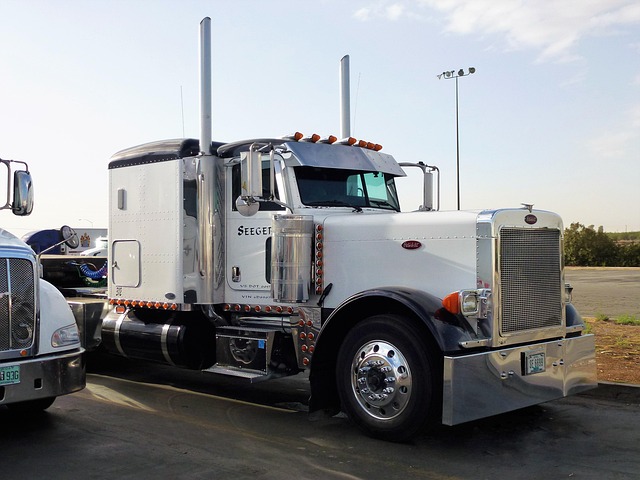
The registration process for a vehicle in California involves several crucial steps, and one of the most critical is ensuring your car’s Vehicle Identification Number (VIN) is legitimate and accurate. This number acts as a unique fingerprint for your vehicle, providing essential information to both you and state authorities. The California Department of Motor Vehicles (DMV) strictly enforces VIN verification as part of its registration procedures. This process isn’t just about checking the car’s history; it verifies that the vehicle matches the details on the title and registration documents, preventing fraud and ensuring road safety.
A common method for this verification is through a mobile vin verifier or a mobile vin inspection service. These services offer convenience by allowing you to conduct the check at your preferred location, whether at home, a local mechanic, or even during a test drive. By using specialized software and databases, these tools cross-reference the VIN against government records and reputable vehicle history reports. The results provide insights into the car’s past, including ownership history, accident records (if any), and outstanding loans or liens. For instance, a 2018 study by the DMV revealed that over 5% of vehicles with suspected fraudulent titles were identified through mobile vin inspection services, emphasizing their effectiveness in maintaining the integrity of vehicle registration.
It’s advisable to conduct this check early in the registration process. If discrepancies are found, addressing them promptly can prevent delays or issues with your car’s legal status. Many online resources and apps offer basic VIN checking as a starting point, but for comprehensive and official verification, consulting a mobile vin inspection service is recommended. This ensures that when you hit the road, your vehicle meets all legal standards, providing peace of mind for both drivers and California DMV officials.
Pay Registration Fees and Tax Online or In-Person

Registering a car in California involves several crucial steps, and one of them is paying the registration fees and tax. You can choose between conducting this process online or visiting a DMV office in person. The former offers the convenience of mobile vin inspection and verification through trusted mobile vin verifiers, ensuring a smoother experience for residents who prefer digital services. Online payment methods are secure and often include real-time dvm vin verification, streamlining the registration process.
For those opting to visit a DMV office, you’ll need to bring your vehicle’s registration renewal notice, proof of insurance, and identification documents. An alternative to waiting in line at the DMV is utilizing mobile vin inspection services. These allow you to get an accurate reading of your Vehicle Identification Number (VIN) without leaving home or work. Mobile vin verifiers can ensure that all information associated with your VIN is up to date, which is essential for a successful registration.
It’s important to be prepared with all necessary documentation when paying in-person. Late fees apply if you miss the renewal deadline, so always check the expiration date of your current registration. Additionally, certain types of vehicles, like classic cars or those with modified emissions systems, might require special considerations during dvm vin verification. The California DMV offers detailed guidance for each scenario, ensuring that all vehicle owners comply with state regulations.
Remember that paying registration fees and tax on time is not only a legal requirement but also ensures you keep your vehicle’s registration current. This avoids any inconveniences or penalties associated with an expired registration. By utilizing the available online services or visiting a DMV office efficiently, California residents can maintain their vehicles’ legal status with minimal stress.
Ensure Your Vehicle Meets Safety and Emission Standards
Before registering your car in California, it’s crucial to ensure your vehicle meets stringent safety and emission standards set by the state. This process is designed to protect both drivers and the environment while promoting road safety. One of the critical steps involves a DMV VIN verification, which checks that your car’s unique Vehicle Identification Number (VIN) is genuine and matches the specifications on record. This verification can be completed through various methods, including traditional DMV visits or using a mobile VIN verifier for added convenience.
For instance, California requires all vehicles to pass an emission test, known as the Smog Check, to ensure they meet the state’s clean air standards. This inspection typically involves testing the vehicle’s emissions control system and checking for any leaks. In some cases, especially with older models or those with modified engines, a more in-depth mobile VIN inspection might be required. These inspections can identify potential issues related to both safety and environmental compliance, ensuring your car is safe to operate on California roads.
To streamline the process, consider using a mobile VIN inspection service that can perform a remote DMV VIN verification. This approach saves time and effort by allowing technicians to access your vehicle’s history digitally, including detailed information about its emission and safety capabilities. While these services might come at an additional cost, they offer peace of mind and convenience, especially for those with busy schedules or who live in remote areas. Regularly maintaining compliance with these standards not only facilitates the registration process but also ensures your vehicle operates efficiently and safely over time.
By meticulously preparing required documents, following a structured guide to visit the California DMV, understanding the significance of VIN verification, paying registration fees online or in-person, ensuring your vehicle meets safety and emission standards, you can successfully register your car in California. This process guarantees not only legal compliance but also safeguards your investment by confirming authenticity and identifying potential issues through dmv vin verification. Embrace these key insights for a seamless registration experience, leveraging the article’s authority to navigate this crucial administrative step with confidence and efficiency.