

Looking to register your car in California? This comprehensive guide will walk you through the process, ensuring a smooth experience. First, understand the state’s specific requirements for car registration, including necessary documents and fees. Next, learn about the crucial step of Vehicle Identification Number (VIN) verification, which is essential for DMV approval. Follow our step-by-step instructions to complete the application, pay fees, and receive your registration plate—all while ensuring a properly updated vehicle record through accurate dmv vin verification.
- Understand California Car Registration Requirements
- Gather Necessary Documents for DMV Visit
- Perform Vehicle Identification Number (VIN) Verification
- Complete Application and Pay Fees at DMV
- Receive Your Registration Plate and Document Updates
Understand California Car Registration Requirements

Before registering your car in California, it’s crucial to understand the state’s specific requirements. The California Department of Motor Vehicles (DMV) mandates several key steps, including a thorough vehicle inspection and successful completion of a vin inspection. This process involves verifying the Vehicle Identification Number (VIN) to ensure the car’s authenticity and history. One efficient way to accomplish this is through a mobile vin verification service, which allows for a swift and convenient check right from your location.
The DMV expects vehicles to meet safety standards and have up-to-date documentation. During registration, you’ll need to present important documents like the title, proof of insurance, and possibly a smog certificate. A vin inspection is integral to this process as it safeguards against stolen vehicles and ensures compliance with California’s regulations. By following these guidelines and utilizing available services like mobile vin inspection, the car registration process becomes smoother and more secure.
Gather Necessary Documents for DMV Visit

Before heading to the California Department of Motor Vehicles (DMV), ensure you have all the required documents for a smooth registration process. One crucial step is to obtain a Vehicle Identification Number (VIN) verification, which can be done through a mobile vin verifier or by requesting it at the DMV during your visit. This verification is essential as it confirms the vehicle’s authenticity and history.
Gathering these documents includes providing proof of identity, such as a driver’s license or passport, along with proof of residency like a utility bill or bank statement. Additionally, have your vehicle’s registration from the previous state (if applicable) and any necessary forms for transfer ownership. Don’t forget to bring the vehicle itself; a DMV inspection may be required during your visit for a complete vin inspection.
Perform Vehicle Identification Number (VIN) Verification
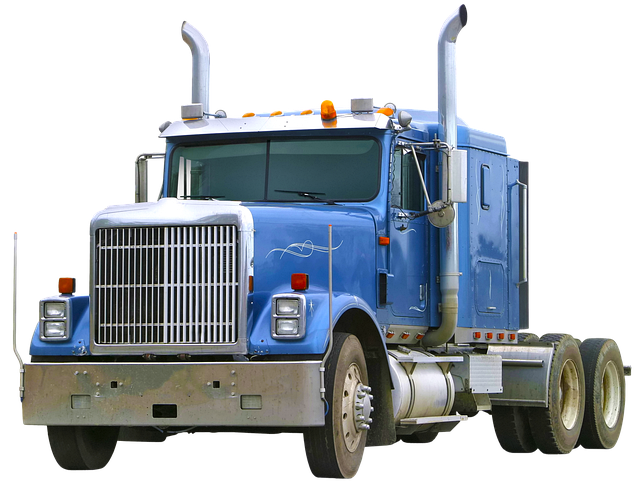
Before proceeding with the registration process, it’s crucial to perform a Vehicle Identification Number (VIN) verification. This step is essential as it ensures that your car’s unique identifier matches the information in the DMV’s system. Many folks opt for a mobile VIN verifier to streamline this process, allowing them to conduct a quick and convenient vin inspection right from their location.
A mobile vin verification service can be particularly useful if you’re purchasing a used vehicle. This way, you can cross-reference the VIN with the seller’s paperwork and ensure there are no discrepancies or hidden issues. It’s a smart step that saves time and provides peace of mind, especially when navigating complex transactions.
Complete Application and Pay Fees at DMV

After gathering all necessary documents, it’s time to complete your car registration at the California DMV (Department of Motor Vehicles). You’ll need to fill out a Vehicle Registration Application, providing details about your vehicle, including its make, model, year, and unique VIN (Vehicle Identification Number). This process involves a thorough dmv vin verification to ensure the accuracy of the vehicle’s information.
Along with your application, you’ll be required to pay the associated fees for registration. These costs can vary based on factors like your vehicle type and age. To streamline this step, consider using a mobile vin verifier or conducting a vin inspection before visiting the DMV, as these methods can help ensure a smoother transaction by confirming your vehicle’s details ahead of time.
Receive Your Registration Plate and Document Updates

After submitting your registration application, it’s time to receive your new plates and updated documents. The California DMV will process your request and mail you a Registration Certificate and a Vehicle Identification Number (VIN) verification sticker. This sticker is a crucial component of your vehicle’s legalization, confirming that your car has passed the necessary inspections.
Ensure that you display this VIN inspection sticker prominently on your windshield. If you prefer a more convenient approach, consider using a mobile vin verifier to complete the verification process on-the-go. This digital tool allows for quick and accurate checks, making it an accessible alternative to traditional DMV visits.
Registering a car in California involves several straightforward steps, from understanding requirement to receiving your registration plate. By gathering the necessary documents, performing a DMV (Department of Motor Vehicles) VIN (Vehicle Identification Number) verification, and completing the application process at your local DMV, you’ll be on your way to legally operating your vehicle in the Golden State. Remember to keep your registration up to date for safety and legal compliance.