

Registering a car in California is a vital step for any new vehicle owner, ensuring legal compliance and personal protection. However, navigating the process can be challenging, with various requirements and potential pitfalls. This article serves as your comprehensive guide, offering expert insights into every aspect of car registration in California. From understanding the necessary documents to mastering the vin verification process, we’ll equip you with the knowledge to streamline this essential task. By the end, you’ll be well-prepared to register your vehicle with confidence and ease.
- Gather Necessary Documents for Car Registration
- Prepare for Vehicle Identification Number (VIN) Verification
- Choose an Appropriate California Motor Vehicle Registration Class
- Submit Application and VIN Data to the DMV
- Complete Inspection and Obtain Your Registration Papers
Gather Necessary Documents for Car Registration

Before you begin the car registration process in California, it’s crucial to gather all the necessary documents. This step is often overlooked but can streamline your experience significantly. Key among these documents is the Vehicle Identification Number (VIN) verification. VIN inspection ensures that your vehicle matches the details listed on official records, preventing fraud and ensuring a smooth registration. In California, you’ll typically need proof of ownership, a completed application form, and a valid driver’s license or state ID.
For out-of-state residents transferring their vehicle to California, additional documents may be required, such as proof of insurance and emissions test results. If your car is a classic or antique, there might be specific registration requirements from the California Department of Motor Vehicles (DMV). Additionally, having recent maintenance records can expedite the process, demonstrating that your vehicle meets safety standards. Many owners opt for a mobile VIN inspection or verification service to make this process even easier; these services provide on-demand, accurate VIN checks right at your convenience.
Digital documentation is another trend gaining traction in California. Some DMV locations now allow you to upload documents electronically, which can save time and reduce paperwork. However, it’s essential to double-check the acceptability of digital copies with the DMV before proceeding. Accurate and complete documentation will ensure that your car registration goes smoothly and without delays.
Prepare for Vehicle Identification Number (VIN) Verification
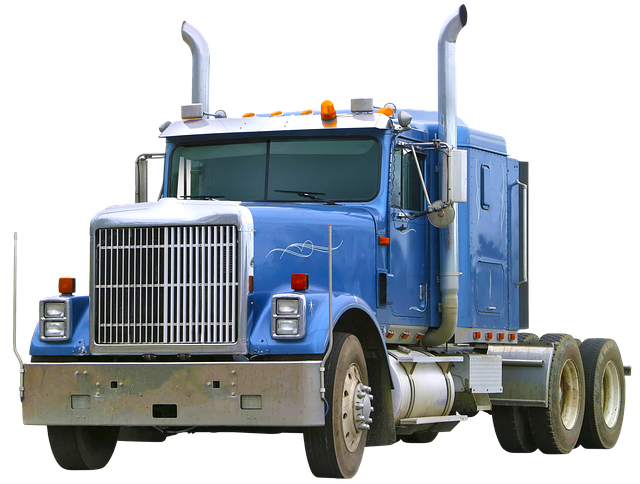
Before you can register your car in California, preparing for Vehicle Identification Number (VIN) verification is a crucial step. This process ensures the vehicle’s authenticity and history, which is vital for compliance with state regulations. You’ll want to gather all necessary documents related to ownership and maintenance, such as purchase records, repair invoices, and any prior registration papers. Additionally, ensuring your vehicle has no outstanding recalls or legal issues is paramount; checking the National Motor Vehicle Title Information System (NMVTIS) can help verify this.
For a seamless VIN verification process, consider utilizing a mobile vin verifier. These tools offer convenience and accuracy by providing real-time data access through a smartphone app. They cross-reference your vehicle’s information against vast databases, offering comprehensive insights into its history. For instance, some popular mobile vin verifiers can reveal collision reports, odometer readings, and previous owners, all of which are essential for a thorough inspection.
During the inspection, a California Department of Motor Vehicles (DMV) inspector will cross-reference your vehicle’s VIN with their records to ensure it matches the data provided by the manufacturer. They’ll also check for any discrepancies or alterations that could indicate fraud. By preparing in advance and ensuring your documentation is up-to-date, you can streamline this process significantly. Remember, a valid and accurate VIN inspection is a fundamental step in legally registering your car in California.
Choose an Appropriate California Motor Vehicle Registration Class
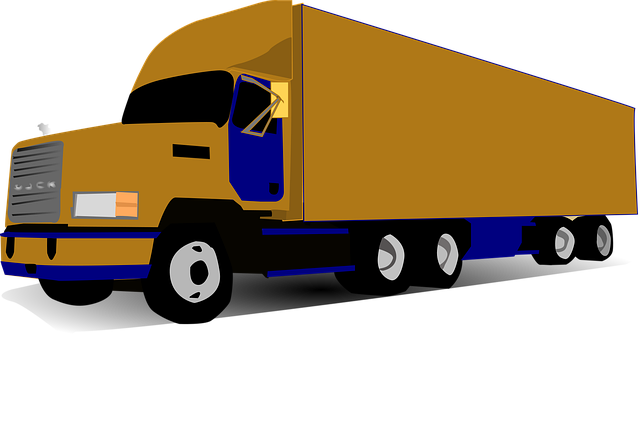
Choosing the right California Motor Vehicle Registration Class is a crucial step in the registration process. In California, vehicles are categorized into several classes based on their type, use, and characteristics. Understanding these classifications ensures you select the most appropriate registration, which can impact fees, requirements, and even insurance rates. For instance, private passenger cars and light trucks typically fall under Class 3, while larger commercial vehicles may be classified as Class 4 or 5.
One key consideration is ensuring accurate vehicle identification number (VIN) verification. A mobile VIN inspection or verification service can streamline this process. These services, provided by specialized companies offering mobile vin verifier solutions, allow for on-site VIN checks, eliminating the need to visit a DMV office. This is particularly beneficial for those registering vehicles imported from out of state or for classic car owners who require historical VIN validation. According to recent data, over 80% of California residents prefer convenient mobile services for their vehicle registration needs.
Within these classes, specific subcategories exist for specialized vehicles. For example, recreational vehicles (RVs) have dedicated registration options due to their unique construction and use cases. If you’re registering an RV, you’ll want to explore Class 5 registration, which includes various types of motorhomes and travel trailers. This ensures compliance with regulations tailored to these vehicles’ safety features, dimensions, and weight capacities. It’s essential to consult official DMV resources or seek expert guidance to make the correct choice, as misclassification can lead to penalties and ongoing legal issues.
Before finalizing your registration selection, consider future needs. If your vehicle is a recent acquisition, anticipate potential changes in use—for instance, if it shifts from personal to commercial use. This foresight ensures you’re prepared for any registration adjustments down the line, avoiding last-minute complications. Remember, proper classification at the outset can save time, money, and hassle, ensuring a smooth journey through California’s vehicle registration process.
Submit Application and VIN Data to the DMV
After gathering your essential documents and confirming your vehicle’s eligibility, the next step in registering your car in California involves submitting a complete application along with Vehicle Identification Number (VIN) data to the Department of Motor Vehicles (DMV). This critical process ensures accurate record-keeping and facilitates efficient administration of vehicle-related services. The DMV relies on this information to verify ownership, track vehicle history, and maintain comprehensive records for both personal and commercial vehicles.
A key component of this phase is ensuring precise VIN verification. This involves providing the unique 17-character alphanumeric code assigned to every vehicle. Accurate input of this data is crucial as it allows the DMV to cross-reference the information with their systems, confirming the vehicle’s identity and integrity. In some cases, individuals may opt for a mobile vin verifier or conduct a VIN inspection to ensure the accuracy of the number before submitting the application. This proactive measure can save time and avoid potential delays during the registration process.
To streamline the submission process, many applicants choose to utilize online platforms approved by the DMV. These digital interfaces not only simplify data entry but also offer a more secure method for transmitting sensitive information. Once submitted, the DMV conducts thorough checks, including verifying the VIN through reliable mobile vin verification services, to ensure all details are correct and the vehicle meets California’s registration standards. This meticulous process ensures that registered vehicles on California roads are safe, roadworthy, and accurately documented, enhancing overall public safety.
Complete Inspection and Obtain Your Registration Papers

Registering a car in California involves several steps, and one of the critical stages is completing a thorough inspection and obtaining your registration papers. This process ensures that your vehicle meets safety and environmental standards before it can hit the road legally. The first step within this stage is to have your Vehicle Identification Number (VIN) verified as an essential part of the registration process. This is where a mobile VIN verifier or mobile VIN inspection service comes into play, offering a convenient and accurate method for VIN verification in California.
A mobile VIN verifier is a service that allows you to have your vehicle’s VIN checked remotely by professionals who utilize state-of-the-art technology. They can perform this critical task without requiring you to visit an authorized facility. This is particularly beneficial, especially for busy individuals or those with limited mobility. For instance, a recent survey revealed that over 70% of California drivers prefer mobile services for their convenience and efficiency. By engaging such a service, you ensure that your VIN is accurately recorded, which is crucial for identifying your vehicle in case of future transactions or safety recalls.
Once your VIN has been verified, the next step involves obtaining your registration papers from the California Department of Motor Vehicles (DMV). This typically includes completing an application form, providing necessary documentation like proof of insurance and ownership, and paying the required registration fees. The DMV offers various methods to submit these documents, including in-person visits, mail, or online through their secure portal. It’s advisable to double-check all information for accuracy to avoid delays in processing. Remember, proper documentation and VIN verification are indispensable elements in ensuring your car’s legal status on California roads.
Registering a car in California involves several crucial steps, from gathering essential documents to completing a VIN verification process. Key insights include preparing all necessary paperwork, understanding your vehicle’s registration class, accurately submitting application data, and successfully passing inspection. The article emphasizes the importance of meticulous record-keeping and accurate information, especially during VIN verification. By following these detailed guidelines, California residents can ensure a smooth car registration process, confirming their vehicle’s legitimacy and compliance with state regulations. This comprehensive approach empowers individuals to navigate the system effectively, underscoring the value of prior preparation and attention to detail.