

Registering a car in California is a crucial step for any new vehicle owner, ensuring legal compliance and ownership protection. However, navigating the process can be complex, with various requirements and forms to fill out. This comprehensive guide aims to demystify the procedure, offering clear instructions on every step involved. From gathering essential documents to completing online forms and conducting necessary VIN verification, we’ll walk you through the entire journey. By following these expert tips, you’ll efficiently register your vehicle, ensuring a smooth and stress-free experience in the Golden State.
- Prepare Necessary Documents for Car Registration
- Locate Your Vehicle's VIN (Vehicle Identification Number)
- Choose an Appropriate California Car Registration Class
- Submit Application and Pass VIN Verification Process
- Finalize Registration and Obtain License Plate
Prepare Necessary Documents for Car Registration

Before you register your car in California, ensuring you have all the necessary documents is paramount. This process involves verifying your vehicle’s identity through its unique identification number (VIN). The California Department of Motor Vehicles (DMV) requires a comprehensive inspection that includes a VIN verification to prevent fraud and ensure the accuracy of vehicle records. One effective method for this initial step is to utilize mobile VIN verification services, which can be conducted by authorized professionals at your convenience.
For instance, many car dealerships and trusted automotive service centers offer mobile VIN inspection services. These businesses have specialized equipment capable of performing a digital VIN scan, cross-referencing the vehicle’s details against national databases to ensure its authenticity and history. This process is seamless, often requiring just a few minutes during your visit for registration. It’s advisable to confirm that the service provider you choose is certified by the DMV or recognized by industry associations to guarantee the validity of their services.
Additionally, gathering other essential documents like proof of ownership (a title document or previous registration), current insurance card, and identification papers (e.g., driver’s license) will streamline the registration process. Some counties in California might also require a smog certificate, so it’s beneficial to check with your local DMV branch for specific requirements before preparing your application. By meticulously preparing these documents, you’ll significantly enhance the efficiency of registering your car in California.
Locate Your Vehicle's VIN (Vehicle Identification Number)
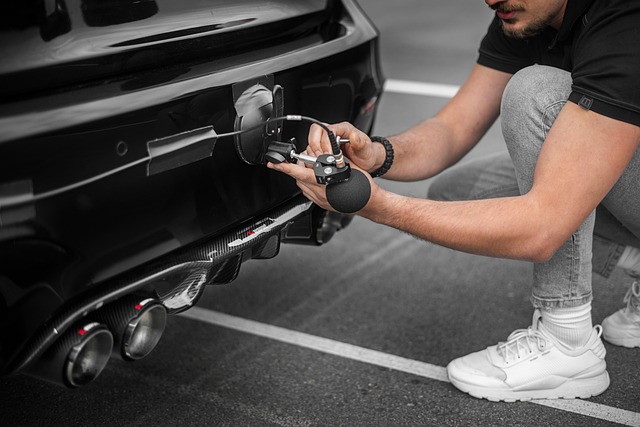
Locating your vehicle’s Vehicle Identification Number (VIN) is a crucial step in the car registration process in California. This unique 17-character code acts as a fingerprint for your car, ensuring accurate identification and verification. It’s essential to have this number handy before initiating any registration procedures. One efficient approach to obtain your VIN quickly is through a mobile vin inspection or using a mobile vin verifier app. These tools allow you to easily access and confirm your vehicle’s identity by simply scanning the chassis or entering the license plate details. For instance, several mobile apps offer real-time VIN verification, providing peace of mind and saving time during registration.
California requires accurate VIN data for record-keeping and security purposes. A misplaced or incorrect VIN may lead to registration delays or even legal issues. Therefore, it’s advisable to cross-verify the number through reliable methods. Mobile vin verification services are particularly beneficial for those who purchase used vehicles, as they can quickly confirm the car’s history and authenticity before completing the registration. This step ensures a smooth process and protects buyers from potential fraud. With just a few clicks or a quick scan, these mobile tools provide instant access to critical vehicle information.
During the registration process, you’ll need to present valid documentation, including proof of ownership and identification. Having your VIN readily available demonstrates preparation and facilitates a more efficient transaction with the California Department of Motor Vehicles (DMV). Remember, accuracy is key. Double-check the VIN’s authenticity through reputable mobile vin inspection services if you’re unsure or dealing with an older vehicle that may have had its numbers altered over time. This attention to detail ensures your registration goes smoothly and reduces potential mistakes.
Choose an Appropriate California Car Registration Class

Choosing the right California car registration class is a crucial step in ensuring a smooth ownership experience. California offers various classes designed to cater to different types of vehicles, usage patterns, and individual needs. Understanding these classifications is essential for responsible vehicle registration. The primary factor driving class selection is the Vehicle Identification Number (VIN) verification process. This meticulous examination ensures the vehicle’s authenticity and history, crucial for safety and compliance.
For instance, if you possess a classic car or a vintage model that might have undergone significant restoration, a specialized class focusing on historical vehicles may be appropriate. These classes often waive certain emission and safety standards, reflecting the unique considerations of older vehicles. On the other hand, commercial vehicles like trucks and vans typically require separate registration due to their distinct operational requirements.
A key advantage of utilizing modern technology is the availability of mobile VIN verification services. These innovative solutions allow for convenient and efficient VIN inspection right from your location. A professional mobile vin verifier can provide real-time data on a vehicle’s history, including past owners, maintenance records, and any outstanding recalls or issues, thereby simplifying the registration process. Data accuracy is paramount; according to the California Department of Motor Vehicles (DMV), over 95% of VIN verifications conducted online result in accurate vehicle information.
Ultimately, selecting the correct car registration class involves a combination of meticulous research based on your vehicle’s characteristics and leveraging modern tools like mobile VIN verification. By embracing these practices, California car owners can ensure their vehicles are properly registered, enhancing both safety and ownership convenience.
Submit Application and Pass VIN Verification Process

After completing your California car purchase, the next step in the registration process is to submit an application and pass a crucial phase known as VIN (Vehicle Identification Number) verification. This process ensures that your vehicle meets all legal requirements before hitting the roads. The application involves gathering essential documents and filling out forms available from the California Department of Motor Vehicles (DMV). You’ll need proof of ownership, identification, and possibly additional fees. Once submitted, a DMV representative will review your application to ensure accuracy and completeness.
The heart of this process lies in the VIN verification, which is a critical step that cannot be overlooked. This involves a detailed inspection of your vehicle’s unique identification number, accessible through its VIN plate or typically located under the hood or on the door frame. In California, you may opt for a traditional static inspection at a DMV office or leverage modern conveniences with mobile VIN verification services. The latter offers flexibility, allowing you to get the process done promptly and conveniently at your location. This alternative is particularly appealing given the current digital landscape, where convenience and efficiency are paramount.
During the VIN inspection, an authorized official will cross-reference your vehicle’s information against state records to confirm its authenticity and compliance with emission standards, safety regulations, and other legal requirements. In some cases, especially for older or imported vehicles, additional tests might be mandated. The good news is that many mobile vin inspection services streamline this process by bringing the necessary equipment and expertise directly to you, saving time and potential headaches. With the right support, passing this verification becomes a straightforward procedure, ensuring your car’s legal status in California.
Finalize Registration and Obtain License Plate

After completing the initial registration process for your vehicle in California, the final step involves finalizing the registration and obtaining your license plates. This crucial phase ensures that your vehicle complies with state regulations and is legally recognized on California roads. One of the essential components of this process is verifying the Vehicle Identification Number (VIN), which acts as a unique fingerprint for every vehicle.
A common method for VIN verification in California involves utilizing a mobile VIN verifier or conducting a VIN inspection at a designated center. These tools cross-check your vehicle’s information against state databases, ensuring accuracy and authenticity. For instance, the California Department of Motor Vehicles (DMV) offers an online service where you can confirm your vehicle’s registration status and even schedule appointments for license plate issuance. This digital approach streamlines the process, making it more efficient than traditional methods.
When conducting a VIN inspection, whether through a mobile verifier or at a station, ensure that all details match across various records. This includes the vehicle’s make, model, year, and identification number. Any discrepancies could indicate potential issues, such as odometer rollbacks or stolen vehicles. It’s advisable to keep records of your VIN verification for future reference and peace of mind. Regularly updating your information with a mobile VIN inspection can also help you stay ahead of any potential problems, making the road safer for everyone.
By systematically following the outlined steps, from preparing essential documents to finalizing the registration and obtaining license plates, you can successfully navigate the process of registering your car in California. Key takeaways include the paramount importance of accurate VIN verification, ensuring your vehicle meets the appropriate registration class, and having all necessary paperwork in order. This authoritative article equips you with the knowledge to confidently and legally register your vehicle, demonstrating the value of a thorough understanding of this process.