

Learn how to navigate the California car registration process with ease. This comprehensive guide breaks down every step, from understanding the requirements to preparing for crucial VIN verification. Discover what documents you need and follow a simple checklist to register your vehicle smoothly. Additionally, gain insights into maintaining your post-registration records in the Golden State. Optimize your experience with these essential tips, ensuring a seamless process from start to finish, including key aspects like VIN verification.
- Understanding the California Car Registration Process
- Preparing for VIN Verification: What You Need to Know
- Steps to Register a Vehicle in California
- Required Documents for Car Registration
- After Registration: Maintaining Your California Vehicle Records
Understanding the California Car Registration Process

Understanding the California Car Registration Process
In California, registering a car involves several steps, starting with verifying the vehicle’s unique identifier—the Vehicle Identification Number (VIN). This critical process ensures that all vehicles on the road meet safety and environmental standards. A mobile vin verifier or mobile vin inspection service can streamline this initial step by providing accurate VIN verification right at your location, saving time and effort. Once the VIN is confirmed, you’ll need to gather essential documents, including proof of ownership, insurance, and identification.
The next phase includes visiting a California Department of Motor Vehicles (DMV) office or utilizing their online services to complete the registration. You’ll pay the required fees, which vary based on vehicle type and age. It’s crucial to ensure all information is accurate and up-to-date during this process, as any discrepancies may delay registration or result in fines. Properly registered vehicles not only comply with legal requirements but also offer peace of mind for both owners and drivers.
Preparing for VIN Verification: What You Need to Know
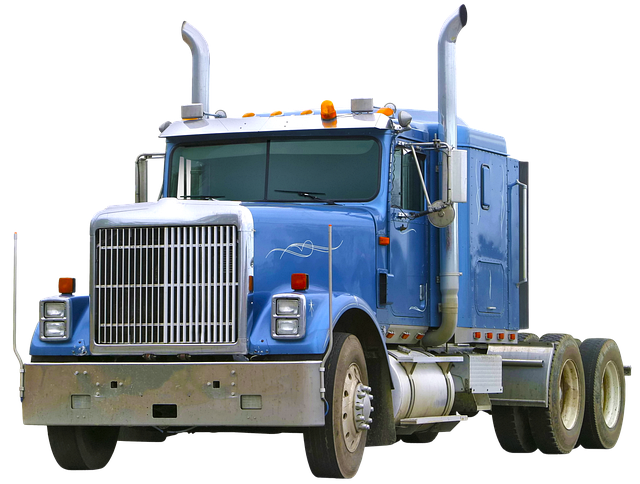
Preparing for VIN verification is a crucial step in registering your car in California. Before you schedule an appointment or even consider purchasing a new vehicle, it’s important to gather all necessary documents and ensure your vehicle meets the state’s standards. This process typically involves verifying the Vehicle Identification Number (VIN), which serves as a unique fingerprint for each car. Having accurate and up-to-date information ensures a smoother registration process.
When preparing for VIN verification, you should have several key documents ready. This includes the title to your vehicle, proof of insurance, and a valid driver’s license. Additionally, if you’re purchasing a used car, you’ll need the previous owner’s signature on the bill of sale or a copy of their registration. With these documents in hand, and with the help of a mobile vin inspection or mobile vin verifier, you can confidently navigate the registration process, ensuring your vehicle’s history is accurately verified.
Steps to Register a Vehicle in California

Registering a vehicle in California involves several straightforward steps. First, ensure that your vehicle meets all legal requirements and emissions standards for the state. You’ll need to complete a California Vehicle Registration Application form, which can be done online or at a DMV office. Gather essential documents like proof of ownership, valid identification, and current insurance information. Additionally, a key step in the process is conducting a VIN (Vehicle Identification Number) verification. This ensures that your vehicle’s details match the records and helps prevent fraud.
For a convenient and efficient vin inspection, consider using mobile vin verification services. These services allow you to get real-time results by simply providing your VIN number to a mobile vin verifier. This option is particularly beneficial for those who may have difficulty visiting a DMV office. With the help of technology, registering your vehicle in California has become more accessible and faster than ever before.
Required Documents for Car Registration

To register your car in California, you’ll need several essential documents. One crucial piece is the Vehicle Identification Number (VIN) verification, ensuring the vehicle’s authenticity and history. This process can be completed through a mobile VIN verifier, making it more accessible for residents.
Along with the VIN inspection report, gather other necessary papers such as proof of ownership, which could be a purchase agreement or a previous registration certificate. Additionally, a valid driver’s license and current vehicle insurance proof are mandatory. These documents streamline the registration process, facilitating a smoother experience at the California Department of Motor Vehicles (DMV) office.
After Registration: Maintaining Your California Vehicle Records

After registering your vehicle in California, it’s crucial to maintain accurate and up-to-date records. This involves regular checks and updates to ensure your vehicle information is current. One essential step is performing a VIN (Vehicle Identification Number) verification at least once a year. In California, this can be done through various official channels, including mobile vin inspection services that come to you. These services offer convenience by allowing you to validate your vehicle’s history from the comfort of your home or garage.
By keeping track of service records, ownership transfers, and any modifications made to your car, you’ll have a comprehensive view of your California vehicle’s lifecycle. This not only aids in potential future registration processes but also plays a critical role in ensuring road safety and legal compliance. Regularly updating your records with accurate information is an investment that safeguards your interests and keeps your vehicle on the road legally.
Registering a car in California involves several steps, from understanding the process and preparing for VIN verification to submitting required documents. Once registered, it’s crucial to maintain accurate vehicle records. By following these guidelines, you’ll ensure your car is legally registered and ready to hit the bustling California roads. Remember, proper documentation and timely renewal are key to avoiding any issues during future VIN verifications.